How do I prepare my kitchen for new countertops?

In an older Omaha, NE house with settled floors, the order of work decides whether the stone fits, and templating only happens once the base cabinets are shimmed, fastened and level. Every step below (including the way jobs booked through countertops omaha alone in the kitchen are sequenced) starts from that point. New countertops do not straighten a run that has dropped an inch over seventy years, so the cabinets get corrected first.
Cabinets Set Before the Template
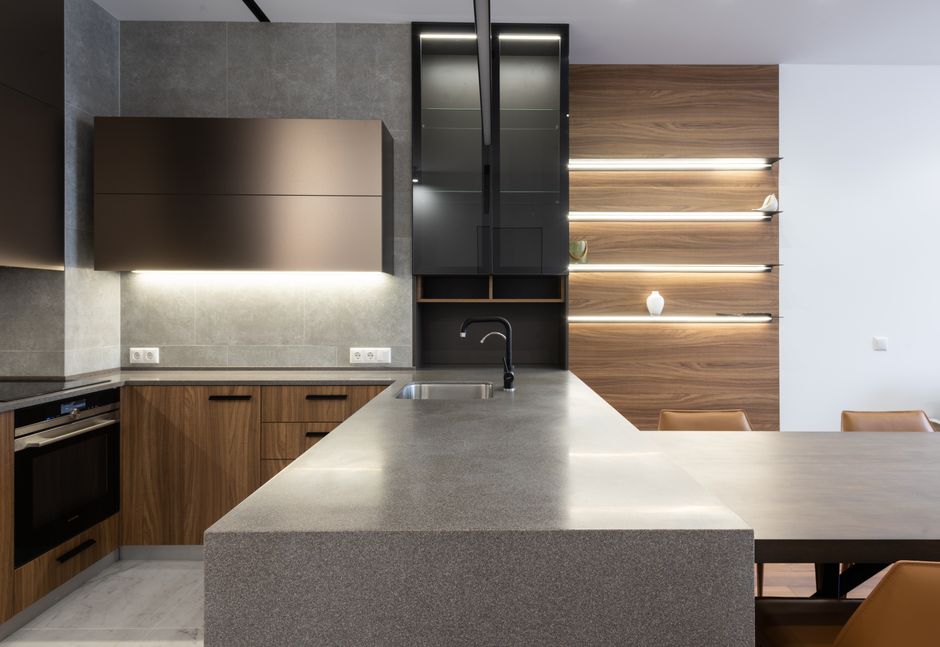
The template records the cabinets exactly as they stand. If a box is shimmed or moved afterward, the stone no longer matches it, and templating cannot wait until after cabinets are shifted. Find the high point of the floor, shim the low boxes up to it, and screw each cabinet into studs and to its neighbor. Check level along the front, the back and across the run with a long straightedge.
Sink and Cooktop Choices
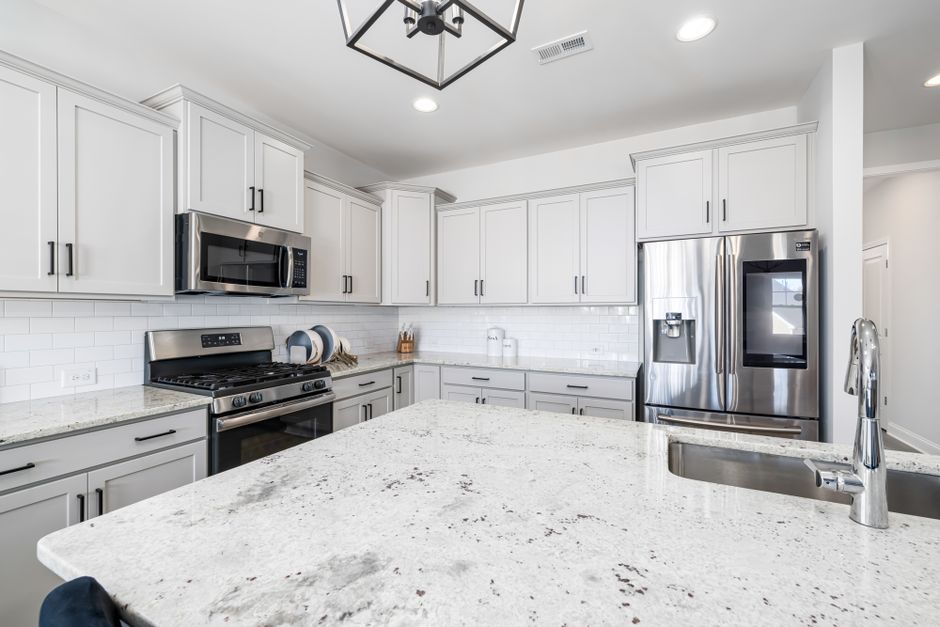
Cutout sizes and positions come from the actual fixtures, so the sink, faucet and cooktop or range should be chosen before the template. An undermount bowl, a drop-in bowl and a farmhouse front all call for different cuts. Faucet hole count matters too. Whether the top is granite, quartz or a quartzite slab, a cutout made for the wrong model cannot be patched back into shape.
Walls Out of Square, Stone Scribed
Houses in Douglas County that predate modern framing often have walls that lean or bow. The cabinets can be shimmed, but the wall still wanders, so the stone edge is scribed to follow it. A small gap at the wall is normal and gets caulked. Overhang is measured from the cabinet face, so a crooked face means a decision on the edge profile, whether eased edge or bullnose, before cutting.
What Demolition Exposes
Pulling old laminate, tile or butcher block can reveal rotted cabinet tops, torn drywall and missing backsplash material. Not every old top lifts off without some wall or cabinet damage. Those repairs belong before installation, since the new slab needs a flat, sound bearing surface under it.
Disconnects, Access and Dust
Sink plumbing and any gas or electric cooktop must be disconnected before removal and reconnected afterward. Settle in writing who handles each task, the installer, a plumber or the homeowner. Stone is heavy, rigid and awkward to turn, so keep stairs, halls and doors clear. A tight stairway or a narrow corner in an older Old Market-era building can cap piece size and push seam placement to a spot nobody planned. A seam is easier to place on paper than in a doorway. Cutting and fitting also throw dust, so clear the counters, move small items out and shut off adjoining rooms with plastic.